A resilient mindset gives seniors the strength to adapt to life's changes with confidence and dignity. Whether it's moving to a new home in Victoria East, TX, adjusting to health shifts, or embracing the realities of aging, change can feel overwhelming.
Seniors who cultivate resilience enjoy greater emotional wellness and mental strength as they age. This mindset makes transitions smoother when faced with uncertainty. A 2024 study in BMC Psychology supports this and reports that adults with higher resilience report fewer symptoms of depression and anxiety.
Imagine facing each change with optimism rather than fear. In this article, you will learn what a resilient mindset is and why it matters. You will also discover practical ways to build it so that life's transitions become manageable steps rather than obstacles.
What Does a Resilient Mindset Mean?
A resilient mindset is the ability to recover, adapt, and grow stronger when facing challenges. For seniors, resilience is not about ignoring difficulties. It's about meeting them with perspective and confidence.
In practice, this includes the following:
- Emotional Flexibility: Recognizing and managing feelings rather than denying them.
- Problem-Solving Skills: Meeting challenges with creative, realistic strategies.
- Inner Confidence: Trusting one's ability to handle change without losing identity.
- Purpose and Meaning: Accepting that loss and change are part of life, while finding purpose even in difficult times.
Resilience is not fixed. It can be cultivated through habits, mindset shifts, and supportive environments.
How to Self-Check Your Emotional Resilience
Resilience isn't always obvious until you pause and reflect on your reactions. Ask yourself:
- Do I recover from setbacks without feeling defeated?
- Can I manage my emotions without ignoring them?
- Do I see change as an opportunity rather than only a threat?
- Do I maintain supportive relationships and lean on them when needed?
- Do I feel a sense of purpose that guides me through challenges?
If you answered "yes" to most of these, you're demonstrating emotional resilience. If you answered "no," the following strategies will show you practical ways to strengthen it.
How Can Seniors Build a Resilient Mindset?
Building resilience is a lifelong process.However, seniors can strengthen it with intentional practices. Consider the following:
Stay Connected
Isolation weakens resilience. Seniors who nurture friendships, family ties, and community bonds are better equipped to handle transitions.
Practice Mindfulness
Mindfulness helps seniors notice emotions without judgment. It builds calm and stability. Give these easy techniques a try:
- Meditation: Sit quietly and focus on breathing.
- Deep breathing: Inhale slowly, then exhale fully.
- Quiet moments: Pause each day for silence or reflection.
Use Positive Self-Talk and Gratitude
This means reframing challenges as opportunities. Instead of focusing on loss, resilient seniors see:
- New growth
- New routines
- New friendships
- New skills
Replacing negative thoughts with encouraging words builds confidence. Gratitude practices highlight daily positives, reinforcing a positive mindset.
Maintain Physical Health
Exercise, nutrition, and sleep support mental strength. A healthy body reinforces mental strength in seniors.
Engage in Lifelong Learning
Trying new hobbies, reading, or attending workshops keeps the brain active and flexible. Mental agility strengthens resilience and encourages curiosity.
Develop Healthy Coping Strategies
Journaling, problem-solving, and setting realistic goals are all ways to manage stress in healthy ways. These coping strategies help seniors face challenges without feeling overwhelmed. They also encourage proactive change.
Find Meaning and Acceptance
Reflecting on life purpose, practicing forgiveness, or cultivating compassion can build inner strength. These mental habits help seniors navigate loss and change with grace.
Seek Support When Needed
Counseling, support groups, and senior living communities provide support during change. Guidance from trusted professionals ensures seniors don't face transitions alone.
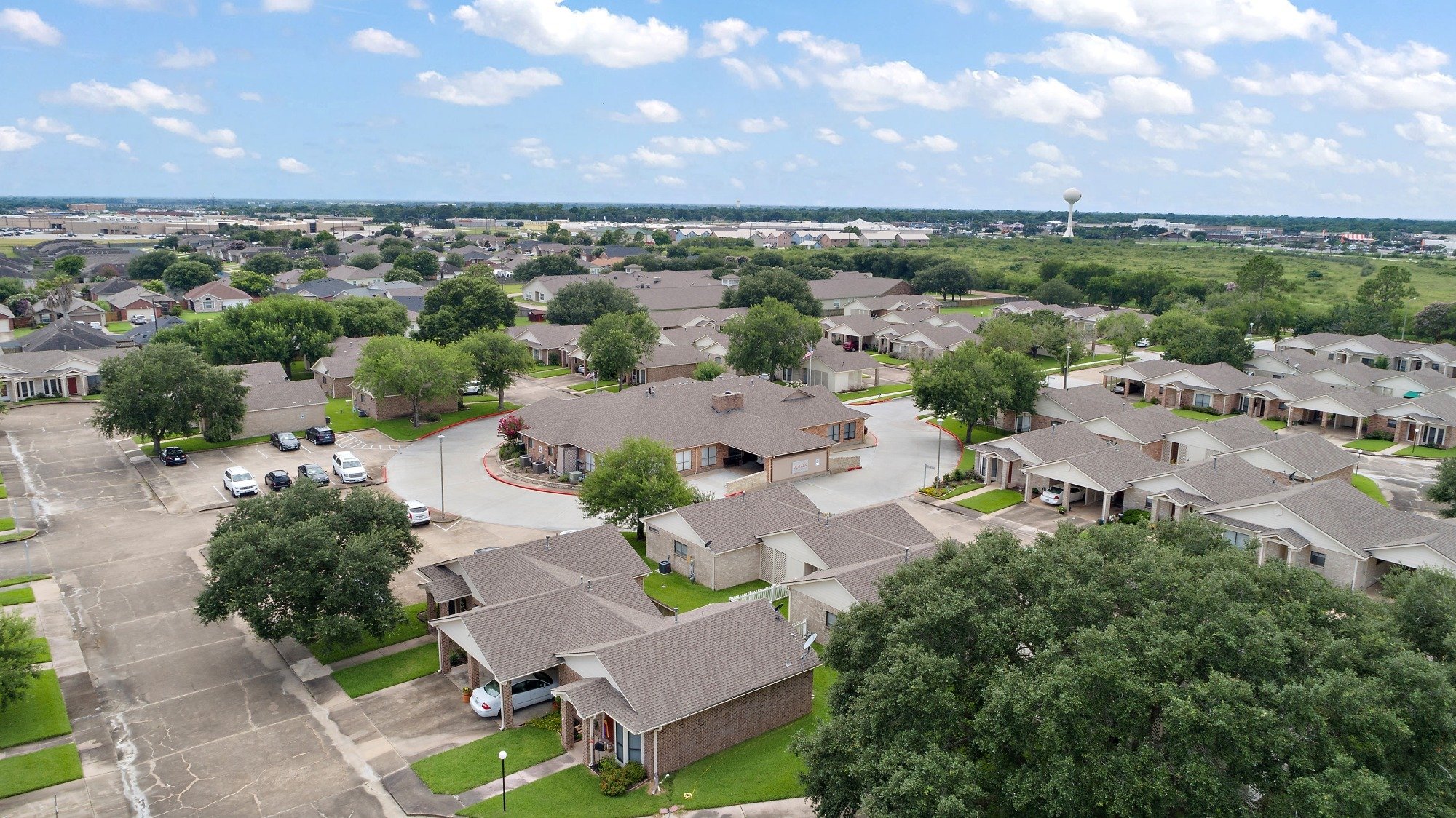
Senior Resilience Through Active Adult Living at Morada Victoria East
Resilience in senior living is about everyday choices that make life easier and more fulfilling. At Morada Victoria East, the Active Adult Living program supports a resilient mindset through:
Freedom
Without home maintenance or housekeeping, seniors can focus on health, hobbies, and personal growth. This freedom helps them stay independent and maintain a positive outlook.
Connection
Events, outings, and shared spaces help residents build friendships while maintaining privacy. Social connection supports emotional resilience and a sense of belonging.
Spaces That Inspire Confidence
Spacious apartments and chef-prepared meals provide comfort and choice. Flexible schedules give residents control over how they spend each day.
Features That Support Well-Being
Walk-in showers, large closets, and private patios add safety and convenience. On-site dining, recreation areas, and pet-friendly policies bring joy and peace of mind.
Frequently Asked Questions
Is Resilience Different From Coping Skills in Aging?
Resilience is the ability to bounce back, while coping skills are specific strategies used to manage stress. Seniors benefit most when both are developed together.
What Role Does Community Play in Building Resilience?
Senior living communities foster resilience through activities and social connections. In practice, community engagement:
- Provides emotional support
- Reduces isolation
- Encourages adapting to change with confidence
What Does "Transition Mindset" Mean for Seniors?
It refers to a way of thinking that anticipates and adapts to change. For seniors, it means expecting life shifts such as retirement or health changes. It also means approaching those changes proactively with support and preparation.
Why Is Emotional Wellness in Aging Important?
It helps seniors maintain a positive outlook, manage stress, and feel more connected. It also:
- Improves quality of life
- Supports resilience
- Correlates with better physical and mental health
What Role Does Spirituality or Faith Play in Resilience?
For many seniors, spiritual practices provide meaning, comfort, and perspective. These are powerful contributors to emotional resilience.
How a Resilient Mindset Helps Seniors Navigate Life's Shifts
A resilient mindset helps seniors face life's changes with calm and confidence. Healthy habits, supportive communities, and a positive outlook make it easier to turn challenges into opportunities. Resilience allows older adults to focus on living confidently and connected to what matters most.
Enjoy maintenance-free senior living at Morada Victoria East, with spacious cottages, chef-prepared dining, and daily activities designed for a vibrant lifestyle. Our blend of exceptional service and engaging programs gives residents time to enjoy life. Contact us today to discover how we make retirement rewarding.